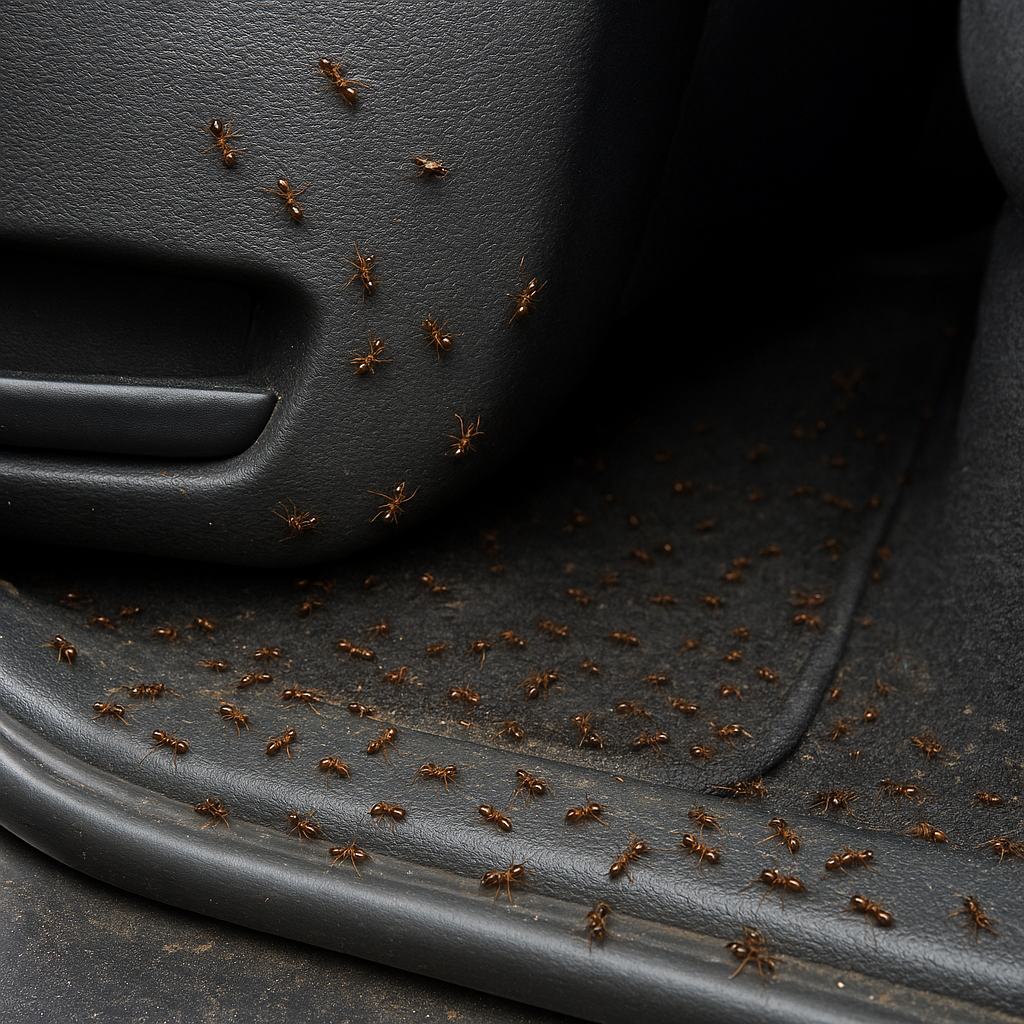
How to get rid of ants in car
Let’s be honest, finding a trail of insects crawling over your steering wheel or nesting in the seat seams is a nightmare I’ve dealt with more times than I care to admit. I’ve spent years tracking pest behaviour across urban apartments and personal vehicles, and the reality is simple: you’re not dealing with a few lost bugs. You’re facing a coordinated scouting unit. The real question isn’t just about spraying something toxic, but understanding why they moved in and cutting off their supply lines. I’ve mapped their routes, tested dozens of interventions, and learned that patience beats panic every single time.
How to get rid of ants in bathroom
Before we dive into automotive solutions, it’s worth looking at moisture-heavy zones. Bathrooms are prime real estate for colonies seeking water. When workers locate a damp corner behind baseboards or near a leaky drain, they lay down chemical markers. Breaking that cycle requires more than wiping tiles. You need to remove the moisture, seal micro-cracks, and use slow-acting bait so the foragers carry it back to the queen. I’ve seen homeowners panic and blast everything with harsh aerosols. That only fragments the nest and pushes survivors into walls, making the problem worse.
How to get rid of tiny ants in house
These micro-scavengers, often called sugar ants or pharaoh ants, exploit ventilation gaps, window seals, and even electrical outlets. Their size makes them nearly invisible until you spot a line marching toward a dropped crumb. Modern pest management shifted from broad-spectrum poisons to targeted baiting because contact sprays don’t reach the hidden brood chambers. I track infestation patterns, and they usually follow seasonal humidity spikes or unsealed food storage. The shift from reactive fogging to strategic elimination has completely changed how professionals handle indoor invasions.
- Vacuum all visible trails and entry points daily for three days
- Apply gel bait near suspected gaps, never on the trail itself
- Seal baseboard cracks with silicone or acrylic caulk
- Monitor activity for seven days before reapplying
If you kill the workers on sight, you’re just trimming the branches of a deep-rooted problem. Let them carry the bait home, and the colony collapses from the inside.
How to get rid of ants in your car
Vehicles are surprisingly attractive shelters. Crumbs, spilled drinks, and warm engine compartments create a perfect microclimate. When figuring out how to clear them out, vacuuming is your first non-negotiable step. I recommend using a crevice tool to reach under pedals, between seats, and around floor mats. After that, place bait stations near suspected entry points like door seals or the cabin filter housing. Avoid spraying directly on upholstery; it ruins materials and drives the nest deeper. I always advise parking in dry, shaded spots until the trail vanishes.
How to get rid of small ants in kitchen
The kitchen is the most contested territory in any home. Grease residues, pet bowls, and open sugar containers act like neon signs for foragers. I always tell people to switch from liquid cleaners to degreasing wipes for counters and floors. Combine that with sealed containers and strategic bait placement behind appliances. The goal is disruption, not instant elimination. Patience wins here, and you’ll notice the scouts stop returning once the food source dries up.
How to get rid of little ants
Size doesn’t dictate difficulty, but it changes your approach. Tiny species bypass standard traps designed for carpenter ants. You’ll need micro-dose baits or food-grade diatomaceous earth applied in thin lines along baseboards. They walk through it, get coated, and dehydrate within hours. It’s messy but highly effective if applied carfully. The colony shrinks steadily as the workers unknowingly distribute the powder through their tunnels.
How to get rid of kitchen ants
Focus on the perimeter. Ants rarely enter through open space; they follow invisible highways along walls and under cabinets. I map their routes by watching the trail for ten minutes without interfering. Once you identify the entry gap, seal it with silicone or caulk. Pair that with a borax-sugar mixture in shallow caps. The workers mistake it for a feast, and the colony shrinks steadily over a week.
How to get rid of black ants in kitchen
Dark-colored workers are usually carpenter ants or common black garden ants. They prefer protein and grease over sugar, so switch your bait strategy. Peanut butter or ground meat mixed with boric acid works far better for protein-foraging species. Place it on cardboard near, but not on, surfaces you use daily. Keep kids and pets away until the trail disappears. This method targets the brood directly without contaminating prep zones.
How to get rid of ants on kitchen counter
Countertops are high-traffic zones where you actually eat and prep food. Never apply toxic chemicals here. Instead, use a 50/50 vinegar-water solution to erase pheromone trails, followed by a thin barrier of citrus oil or peppermint extract along the edge. These natural deterent disrupt navigation without leaving harmful residues. Wipe down daily and never leave dirty dishes overnight.
How to get rid of ants in the bathroom
Repeating this for emphasis: moisture control is everything. Fix dripping faucets, improve exhaust fan runtime, and check under the vanity for condensation. If you’re still seeing activity, deploy gel bait in corners away from direct water splash. The colony will abandon the area once the water source vanishes. I’ve tracked this across multiple apartments, and the pattern never lies.
How to get rid of ants in the car
Airflow management matters. Park in shaded spots when possible, run the AC on recirculate to reduce external entry, and store snacks in hard plastic containers, not bags. I’ve found that leaving an open vent cracked open overnight invites scouts. Seal the cabin, vacuum thoroughly, and bait near the cabin air filter. It usually takes three days to clear the nest completely.
How to get rid of tiny ants in bathroom
These micro-colonies love grout lines and soap dish residue. Scrub with enzymatic cleaners to break down organic buildup, then apply a thin line of food-grade silica gel near drains. It absorbs moisture and physically blocks entry points without chemicals. The slow-acting bait approach works best when paired with proper ventilation.
How to get rid of ants in your car naturally
If you prefer non-toxic routes, combine thorough vacuuming with diatomaceous earth, essential oil sprays, and coffee grounds placed in breathable pouches under seats. Natural methods take longer but avoid chemical off-gassing in enclosed spaces. Rotate your deterrents weekly to prevent adaptation. I’ve seen this method succeed in compact vehicles with minimal odor.
How to get rid of ants in my bathroom
Personal experience taught me that bathroom infestations flare up during seasonal transitions. Spring and autumn humidity shifts push colonies indoors. Monitor tile seams, check under the toilet base, and ensure the shower curtain doesn’t trap dampness. Consistency beats intensity. The integrated pest management framework proves that routine maintenance outperforms emergency treatments.
How to get rid of black ants in car
Dark workers in vehicles often signal a larger outdoor colony nearby. Park away from trees and soil contact if possible. Use vacuuming, wipe down all hard surfaces with vinegar, and place protein-based bait near floor vents. Avoid leaving gym bags or damp towels inside; they act as moisture magnets. Seal door weatherstripping and run the cabin filter on recirculation until the trail fades.
| Method | Best For | Timeframe | Key Risk |
|---|---|---|---|
| Vacuum + Bait Stations | Vehicles, kitchens | 3–7 days | Incomplete removal |
| Vinegar + Citrus Barriers | Counters, bathrooms | 1–3 days | Requires frequent reapplication |
| Diatomaceous Earth | Cracks, grout, floor seams | 5–10 days | Inhalation if overused |
| Protein Borax Bait | Black/garden ants | 7–14 days | Pet exposure |
For regional guidance tailored to local species, you can check updated protocols from the national sanitary and pest management portal. Additional seasonal tracking data is archived at https://entomology-cis.org/ant-behavior.
The shift from reactive spraying to strategic baiting has transformed pest management over the last decade. We used to rely on heavy chemical fogging, which only scattered colonies and contaminated indoor air. Today, integrated approaches focus on behavior disruption, moisture control, and targeted elimination. It’s slower, but it actually works. Keep your spaces dry, seal the micro-gaps, and let bait systems do the heavy lifting. You’ll notice the trails thin out, the scouts stop returning, and the hidden nests collapse on their own schedule. It’s not magic, just applied biology and a bit of routine maintenance.