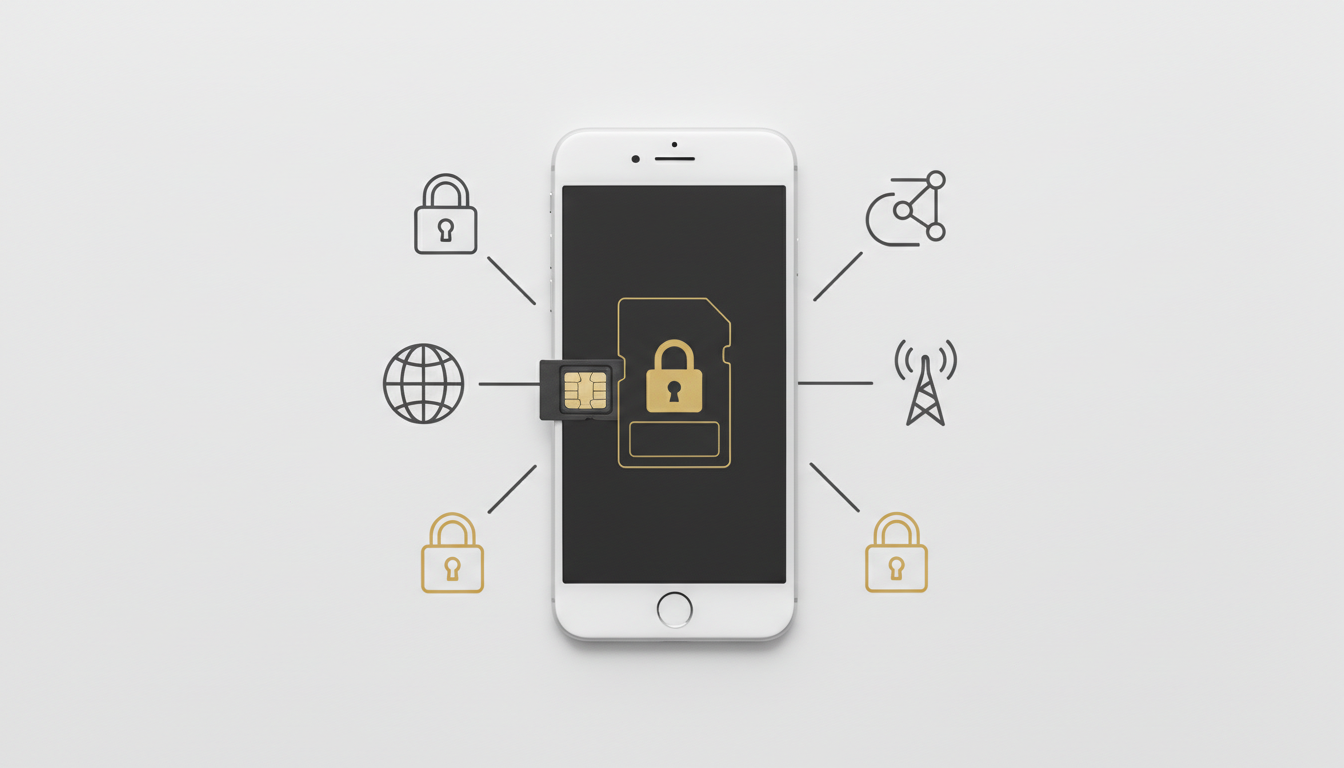
What Is a Locked SIM? SIM Lock vs Carrier Lock Explained
On 27 August 2026 by HabodakoviUnderstanding SIM and Carrier Locks: Legal and Regulatory Reference
1. Fundamental Definitions and Distinctions
What is a locked SIM?
A locked SIM refers to a Subscriber Identity Module card that has been restricted through a Personal Identification Number (PIN) or a PIN Unblocking Key (PUK). When a SIM card is locked in this manner, it prevents unauthorized users from accessing cellular networks, stored contacts, and billing features associated with that specific account if the physical card is placed into another device.
What does it mean when a phone is SIM locked?
When a handset is described as SIM locked, the device’s internal firmware has been configured by a network operator to accept only SIM cards originating from that specific provider’s International Mobile Subscriber Identity (IMSI) range. Inserting a SIM card from an alternate network results in an error message, rendering the device unable to establish cellular connections for voice, SMS, or data services on the unapproved network.
What is the difference between a SIM lock and a carrier lock?
While the terms are frequently used interchangeably in consumer markets, they represent distinct technical and legal mechanisms:
- SIM Lock (PIN/PUK level): A security restriction applied directly to the removable SIM card to prevent unauthorized access to the user’s line.
- Carrier Lock (Device/Baseband level): A software-level restriction applied by the mobile network operator (MNO) or equipment manufacturer to the handset itself, binding the hardware to a designated network.
- Network Lock: A variation of carrier locking where the device is restricted to a group of networks operating under the same corporate umbrella or country code.
| Feature | SIM Card Lock (PIN/PUK) | Carrier Lock (Handset Lock) |
|---|---|---|
| Location of Restriction | Microchip on the physical SIM or eSIM profile | Device operating system and baseband firmware |
| Primary Purpose | Identity protection and unauthorized billing prevention | Contract compliance and equipment subsidy recovery |
| Trigger Condition | Restarting the device or swapping the SIM card | Inserting a SIM card from an alternative operator |
| Remediation Method | Inputting user PIN or carrier-provided PUK code | Network unlock code, remote carrier policy update |
2. Device-Specific Technical Indicators
What does “SIM Locked” mean on an iPhone?
On Apple iOS devices, carrier status is displayed within the operating system under Settings > General > About > Carrier Lock. If the status reads “SIM locked,” the iPhone is subject to an active carrier profile that prohibits the installation of foreign eSIMs or physical SIM cards. Conversely, an unrestricted device displays “No SIM restrictions.”
Status Indicators across Operating Systems
- iOS: Displays “SIM locked” or “No SIM restrictions” directly in system diagnostics.
- Android: Often presents prompts such as “SIM Network Unlock PIN,” “Network Subsidized Lock,” or “Invalid SIM” upon insertion of an unapproved carrier’s card.
“Device locking policies represent a contractual arrangement balancing hardware subsidization against consumer portability rights under regional communications frameworks.”
3. Regulatory Frameworks and Legal Obligations
Why do telecommunications providers enforce carrier locks?
Carrier locks are primarily implemented to protect post-paid device financing agreements and hardware subsidies. By restricting the handset to their network, operators mitigate the risk of financial default during the minimum term of the consumer’s contract.
What are the standard regulatory standards for unlocking devices?
The legal obligations for unlocking cellular devices vary across international jurisdictions, though most follow consumer protection standards established by national regulatory authorities:
- United States (FCC Compliance): Under CTIA guidelines, carriers must clearly disclose unlocking policies. Postpaid devices must be unlocked upon fulfillment of the service contract, device financing agreement, or payment of an early termination fee. Prepaid devices are eligible for unlocking no later than one year after activation, subject to reasonable usage requirements.
- United Kingdom (Ofcom Rules): Since December 2021, Ofcom regulations prohibit mobile providers from selling locked handsets, mandating that all new devices must be supplied fully unlocked.
- European Union: Handset unlocking conditions are governed by member-state consumer protection laws, generally requiring free unlocking once the minimum contract period expires.
- Canada (CRTC Wireless Code): All mobile devices sold after December 2017 must be provided unlocked, and operators are required to unlock existing devices free of charge upon request.
4. Procedures for Resolving Locks
What documentation is required to request an official carrier unlock?
To process an unlocking request legally and securely through a service provider, account holders are typically required to supply standard verification data:
- The International Mobile Equipment Identity (IMEI) number of the handset.
- Proof of purchase or the original billing account number.
- Verification of identity matching the registered account credentials.
- Confirmation that the device has not been flagged as lost, stolen, or associated with fraudulent activity (blacklist verification).
Once approved, the carrier transmits an over-the-air signal or provides an unlock code to update the device’s authorization status on the central database, permanently lifting the restriction without modifying the device’s baseline firmware integrity.